
By Michael Grey*

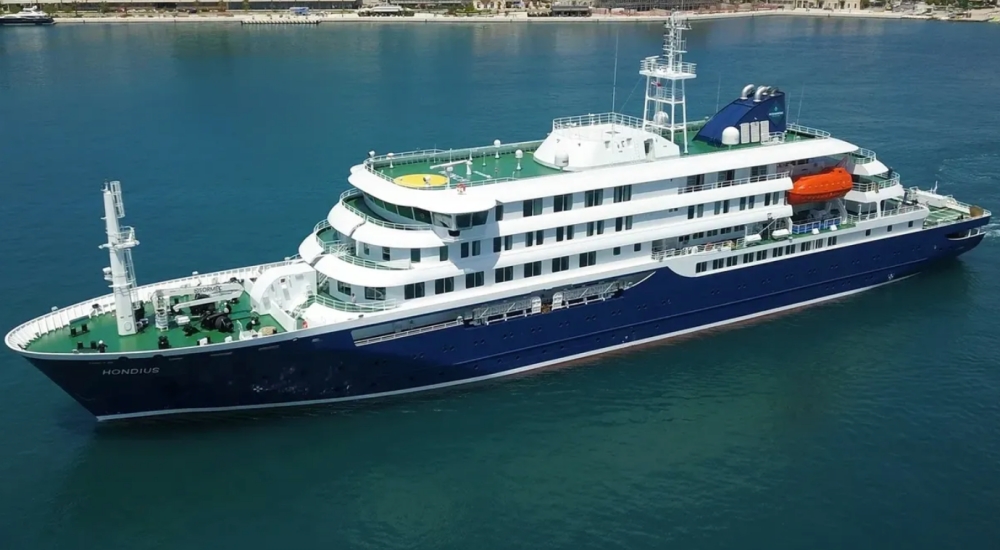
As this is being written, and if nothing more untoward occurs, the little expedition ship Hondius is due to arrive at Rotterdam after her grim encounter with the deadly Hantavirus on her latest cruise in Southern waters. The crew, who have been operating this ship in what appears to have been heroic circumstances, will be received by the quarantine authorities and closely monitored until they can be pronounced free from any further risk of infection. It was not something they would have contemplated as they set sail all those weeks ago for their latest exciting voyage to unusual places.
The ship, one presumes, will be given an exceptionally thorough scrub down. Hondius was a toddler in cruise ship circles, but the difficulties caused to the authorities in so many countries after the fatalities among passengers, who were dispersing to their home countries through the international airways, surely will have produced some uncomfortable lessons. Oxygen bottles and medics having to be airdropped over Tristan da Cunha, along with desperate efforts to trace people who might have been seated near to an infected ex-passenger on aircraft flying all over the world, were just part of the emerging difficulties.
There were only a couple of hundred souls aboard this little ship, but what if it had been a large cruise vessel, with several thousand embarked? It was suggested that a couple of bird watching enthusiasts, who had been tramping around a Patagonian rubbish tip in search of rare feathered friends could possibly have brought the virus on rat droppings on their boots when they returned to the ship had, quite innocently, begun the emergency. Suppose it had been several coachloads of eager cruise passengers, off a really big ship, who had been tramping around the accretions of rodent faeces, as they keenly photographed the wildlife. One would like to think that such possibilities have now been factored in to future cruise programmes.
What with the half dozen big cruise ships which were trapped with their passengers in the Persian Gulf when hostilities began, which nobody in their operational management seemed to have anticipated, cruising has had something of a singular start to the 2026 season. The operation to extract these ships through the so-called mine-infested straits, will be a story in itself.
But on cue, while the port health people were digesting the intelligence about the Hondius incident, Ambassador’s vessel Ambition, with 1187 folk embarked, was reporting 48 cases of Norovirus on board and being banned from her French port of call. The authorities, with clearly heightened sensitivity because of the media focus on cruise ship disease, were obviously taking no chances. Those operating cruise ships make the very valid point that most of these common stomach bugs come up the gangway with passengers who minimise any incipient illness because they don’t wish to cancel their holiday at the last minute.
The staff, and on-board medical teams do their best, but these bugs do spread, despite the isolation of those who have become unwell. Port Health authorities are also increasingly reluctant to have hundreds of potential carriers swarming ashore in their jurisdictions from cruise ships, which may well swell existing local intolerance to large-scale tourism.
Growing blow-back to sheer size of giant vessels
While those running ports and tourist facilities may work hard to market themselves, and encourage cruise ship calls, there is a growing blow-back against the sheer size of giant cruise vessels with their effect upon those who merely reside in these popular places and feel increasingly overwhelmed by tourist “invasions.”
Amsterdam, Venice, Barcelona and many other popular tourist destinations on the cruise ship itinerary are now actively discouraging calls, while there is pressure to use less frequented ports, which do not suffer such tourist numbers. However, there may be other health, or safety risks involved with less developed destinations.
It is likely that the larger cruise lines may elect to increasingly develop their own exclusive destinations, such as can already be found in the Caribbean, where the interference with the local population is less intrusive. There have even been suggestions that with so many extraordinary attractions aboard the largest and most exotic cruise ships, it would make perfect sense for them not to go anywhere once their guests are embarked. They would then serve as a combination of theme park and up-market resort; self-contained and employing the local facilities for fresh supplies. Then, after the season has finished, the giant holiday attraction can move on to another long-term berth elsewhere. It would save a lot of expensive fuel. Planning authorities, it might be expected, would require consultation.
(Photo from CruiseMapper.com)
*Michael Grey is former editor of Lloyd’s List. This column is published with the kind permission of The Maritime Advocate.