
The White House is floating the idea of a 30-day exemption of the more than century old Jones Act which requires American-flagged, built and crewed ships to transport goods between US ports. The initiative would seek to blunt the impact of soaring oil and gasoline prices and disrupted fertilizer supplies as a result of a Middle East crisis notably involving the shut down of the critical Strait of Hormuz to commercial shipping.
“In the interest of national defense, the White House is considering waiving the Jones Act for a limited period of time to ensure vital energy products and agricultural necessities are flowing freely to U.S. ports,” White House spokeswoman Karoline Leavitt said in a statement Thursday, adding that the decision to had not been finalized.
With the Brent crude prices hovering around the $100-per-barrel mark, U.S. retail gas prices are averaging in the range of $3.60 at the pump – up about $0.70 in less than a month.
The White House has otherwise taken exceptional steps this week to counteract the price increase this week by driving through a global plan to release a record 400 million barrels of oil from strategic reserves, including 170 million barrels from the U.S. supply.
The Jones Act was last waived in October 2022 for a tanker heading to Puerto Rico to deliver supplies after Hurricane Fiona. In 2021, the Biden administration also temporarily issued an exemption for refiner Valero Energy Corp. following a cyberattack on a major East Coast fuel pipeline.
Foreign tankers represent a significant a significant presence on the US East Coast maritime landscape, accounting for about 4,000 inbound tanker trips annually. But without waivers, such vessels cannot transport cargo between US ports.
But an industry association has warned that a waiver sends the wrong message to workers and investors in American maritime industry.
“Waiving the Jones Act in an attempt to address raising fuel prices won’t work and it will jeopardize American jobs, U.S. tax revenue, and the future of the American maritime industry,” said Aaron Smith, President of the Offshore Marine Services Association (OMSA) in a statement. “Anytime the Jones Act is waived, it sends a signal to companies considering investments in U.S. vessels, shipyards, and the American workforce. If the goal is to strengthen America’s maritime capability and supply chain resilience, policymakers should be reinforcing that foundation, not weakening confidence in it.”
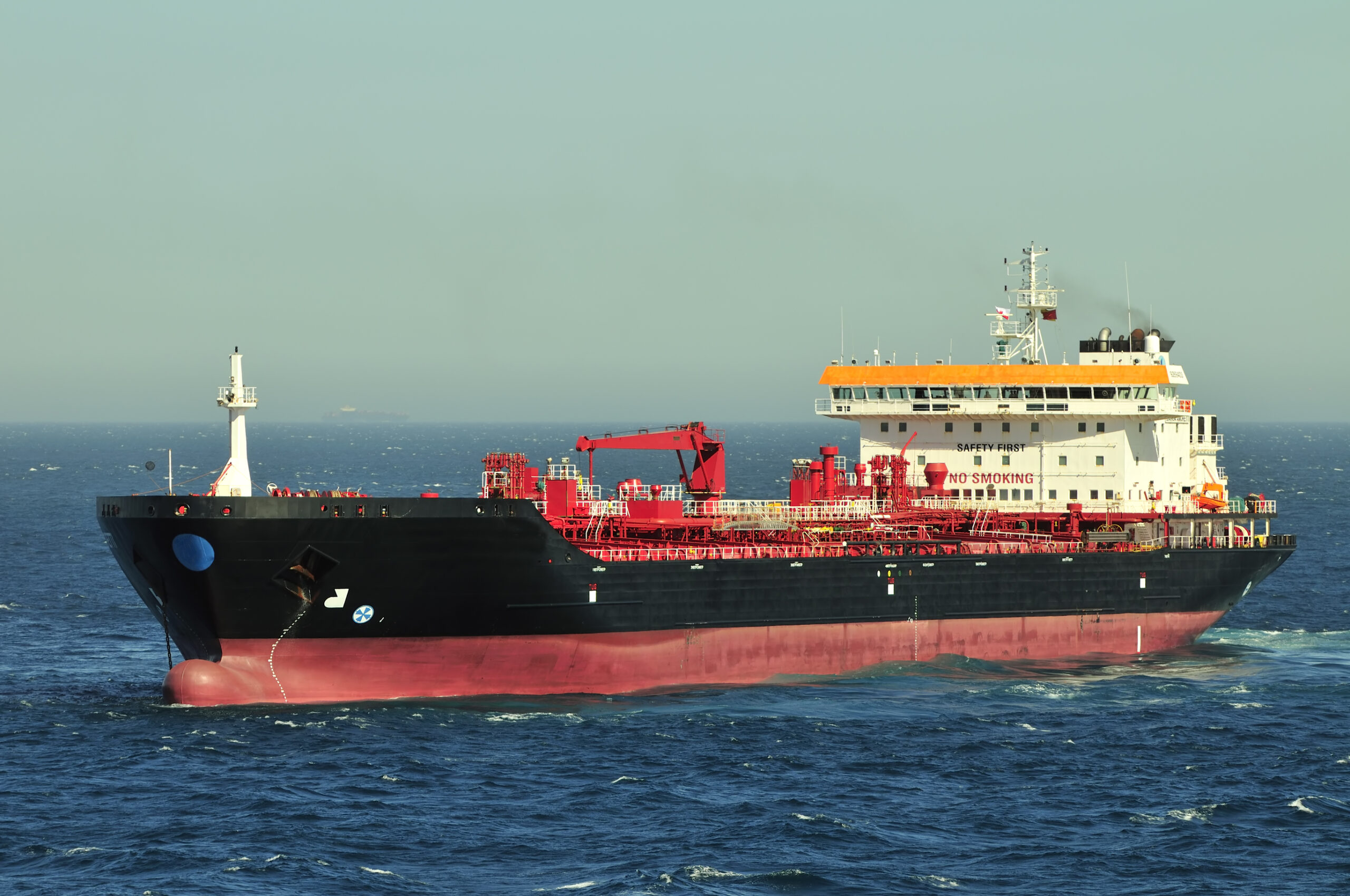
(Dreamstime photo of tanker vessel)