

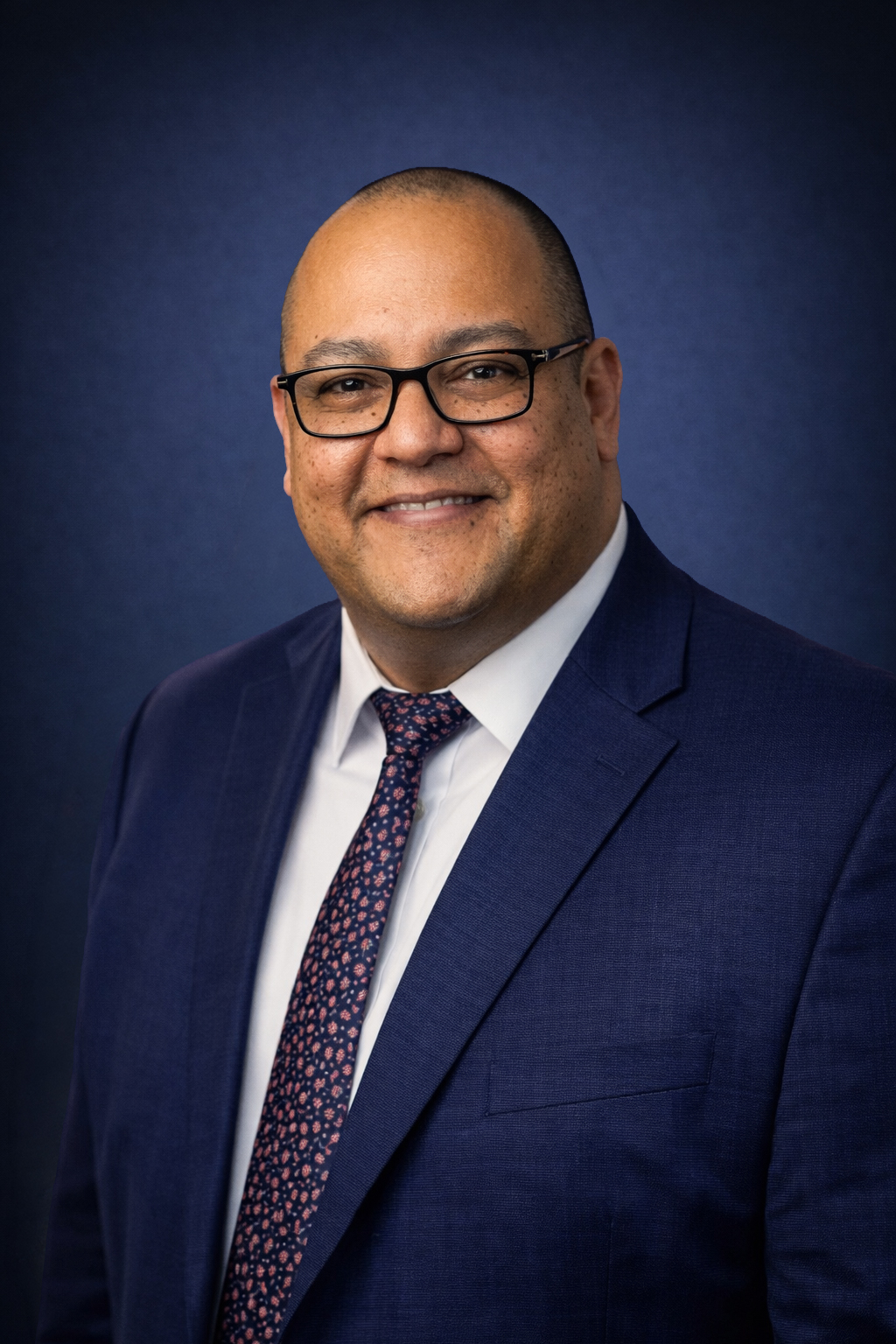
Saul Polo, President and Chief Executive Officer of St. Lawrence Ship Owners, appeared before the Legislative Committee on Bill C-39, formally titled the Building Canada Strong Act. He welcomed measures to strengthen trade corridors and accelerate logistics infrastructure projects, while calling for the removal of clause 289, which proposes an emergency exemption from Canada’s coasting trade regime.
Étienne Duchesne, Vice-President of the Ship Owners’ Board of Directors, joined him by videoconference.
For ship owners, predictable reviews, better federal coordination and clear decision timelines can help ports and other parts of the logistics chain respond to trade needs. Corridor planning should draw on the experience of ship owners, ports and terminals, and reflect the regional realities of the St. Lawrence–Great Lakes network.
“We are asking that the current regime be maintained and that the proposed exemption be removed,” said Saul Polo.
Clause 289 would allow foreign vessels to engage in coasting trade without a license in certain emergency situations. Ship Owners say the existing framework already allows a foreign vessel to be used when no suitable Canadian vessel is available, and that expedited processing mechanisms are in place. They therefore recommend that the Committee remove clause 289 and maintain the current protections under the Coasting Trade Act.
14 days’ strike and lock-out notice
Ship owners are calling for 14 days’ strike and lock-out notice for marine operations. This would give ship owners, ports, terminals and their customers time to adjust vessel schedules, staffing and cargo handling.
St. Lawrence Ship Owners looks forward to continuing its work with the Committee and the government to improve the fluidity of the marine network and strengthen supply chain resilience while maintaining a strong Canadian fleet.
(Photo of St. Lawrence River by Louis Rhéaume. Photo of Saul Polo from St. Lawrence Ship Owners)