
Delta, BC – Steven MacKinnon, Minister of Transport and Leader of the Government in the House of Commons, today announced the referral of the Port of Vancouver Gateway Strategy (Gateway Strategy) to the Major Projects Office (MPO) for possible fast-tracking.
This transformational strategy and associated pillars, including the Roberts Bank Terminal 2 project (RBT2), reflect the type of nation-building infrastructure projects the Building Canada Act (the Act) aims to urgently advance to diversify and grow trade capacity, reach more global markets such as the fast-growing Indo-Pacific region, and drive economic growth.
To meet Canada’s growth and trade diversification objectives, including doubling exports to non-U.S. markets by 2035, long-standing infrastructure constraints need to be addressed at the Port. We must build more and optimize existing infrastructure to grow the Port’s capacity. Environmental protections that encompass the region will also support responsible growth at Canada’s largest marine trading corridor, Mr. Mackinnon stressed.
The Gateway Strategy will focus on four key pillars to support capacity growth at the Port:
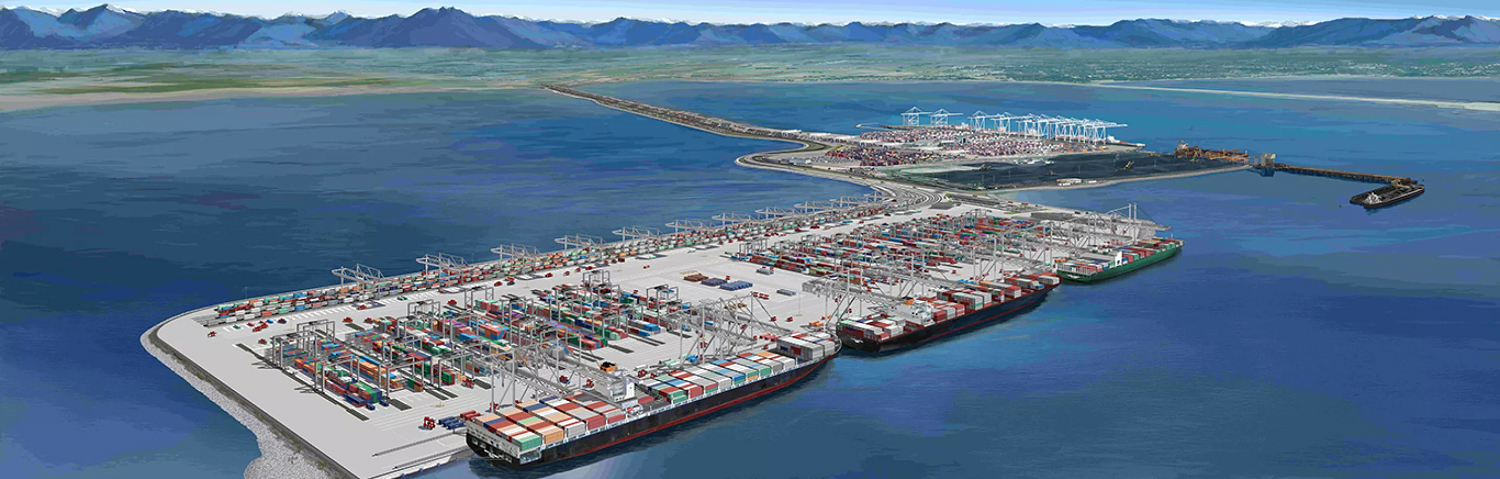
- Roberts Bank Terminal 2 (RBT2) – is being referred to the MPO for potential listing as a project of national interest under the Act to provide regulatory certainty and future financial success. The Vancouver Fraser Port Authority (VFPA)-led RBT2 is a proposed three-berth container terminal at Roberts Bank that would increase the Port’s container capacity by 50 per cent enabling $100 billion of new container trade capacity annually, contribute over $3 billion to Canada’s GDP per year, and support the creation of 17,000 ongoing jobs across the supply chain during operations.
RBT2 has undergone more than a decade of regulatory reviews, including a robust environmental assessment approval process and consultation with Indigenous groups. The VFPA has Mutual Benefit Agreements in place with 27 First Nations. The Project completed a federal impact assessment in 2023, receiving key environmental approvals and is awaiting final permits. Listing allows the Minister of the One Canadian Economy to bring RBT2 under one single regulatory window.
The MPO will immediately begin consultations with potentially impacted Indigenous communities, to inform the federal government’s decision to potentially list RBT2 under the Act. Before making a determination regarding listing, a notice will be posted in the Canada Gazette. - Land Use and Infrastructure for Bulk Terminals – The Port hosts 29 major marine terminals, many of which handle Canada’s most important exports, including grain, potash, petroleum products, and canola oil. Dry and liquid bulk account for approximately 70 per cent of total Port of Vancouver tonnage. To double non-U.S. trade by 2035, new land, modern terminals and other export-focused infrastructure needs to be built.
The opportunity for Canada’s exporters is now. On July 20, the VFPA will launch a process to select an operator for its 40-acre Fraser Wharves terminal site in Richmond – the first major terminal opportunity at the Port in a decade. The MPO may support VFPA with this process to ensure the project is efficiently advanced, while respecting Indigenous rights and safeguarding the environment.
As part of the Land Use and Infrastructure for Bulk Terminals pillar, Alberta’s West Coast Oil Pipeline (WCOP) proposal located in the Delta Area of B.C. will be reviewed and considered.
Under the Gateway Strategy, the MPO and the VFPA will cooperate to identify similar opportunities for export terminal expansion. - Rail Infrastructure Optimization and Expansion – The majority of cargo moving through the Port is transported by rail. The current system requires investment to diversify Canada’s trade. Without targeted expansions of the Port’s rail infrastructure, Canada’s transportation network will become congested, which increases shipping costs and reduces the competitiveness of Canadian businesses.
In partnership with the railways, the MPO and Transport Canada are developing a rail infrastructure strategy to increase capacity and enhance supply chain efficiency, reliability, and resilience. - Environmental Protections – B.C. and Canada’s robust environmental protections ensure that growth at the Port occurs responsibly. As part of the Spring Economic Update 2026: Canada Strong For All, the Government committed more than $258 million over five years to renew and enhance funding for protection of whales and their habitats. This includes $95 million over the next five years and $16.5 million on an annual basis to protect Southern Resident killer whales (SRKW) and their habitat along B.C.’s coast, through enhanced SRKW (ESRKW) measures, delivered by Transport Canada and Fisheries and Oceans Canada. Through the Oceans Protection Plan and the Whales Initiative, Canada has supported the survival and recovery of SRKW since 2016. These new investments build on this work and are in addition to strong 2026 management measures already in place.
(VFPA rendering of RBT2 terminal project)