

By Michael Grey*

You would like to hope that all sorts of useful lessons are being learned from the current conflict in the Middle East, and not just about the consequences of offending irrational world leaders, with a short fuse and no sense of history. In staff colleges and war studies institutions, where cerebral military staff congregate to hone their great brains, in MoD departments in which cleverer planners are not completely obsessing about their promotion prospects, there is surely a lot to take on board. Some of the lessons are very old, such as the potent value of a threat, even where there may not be the obvious capability to carry it out. Two and a half centuries ago, the founding fathers of the United States of America worried themselves sick about the threat from the British fleet lying off their coasts, even though that fleet was far from home and in a shocking state of repair.
A few years later, the threat of Napoleonic invasion, no matter how practicable, dominated British naval strategy. Throughout two world wars, the threat from the German High Seas Fleet in WWI and single large warships in WWII required the Admiralty to take vast and expensive precautions. The nuclear deterrent, it might be suggested, remains the ultimate threat.
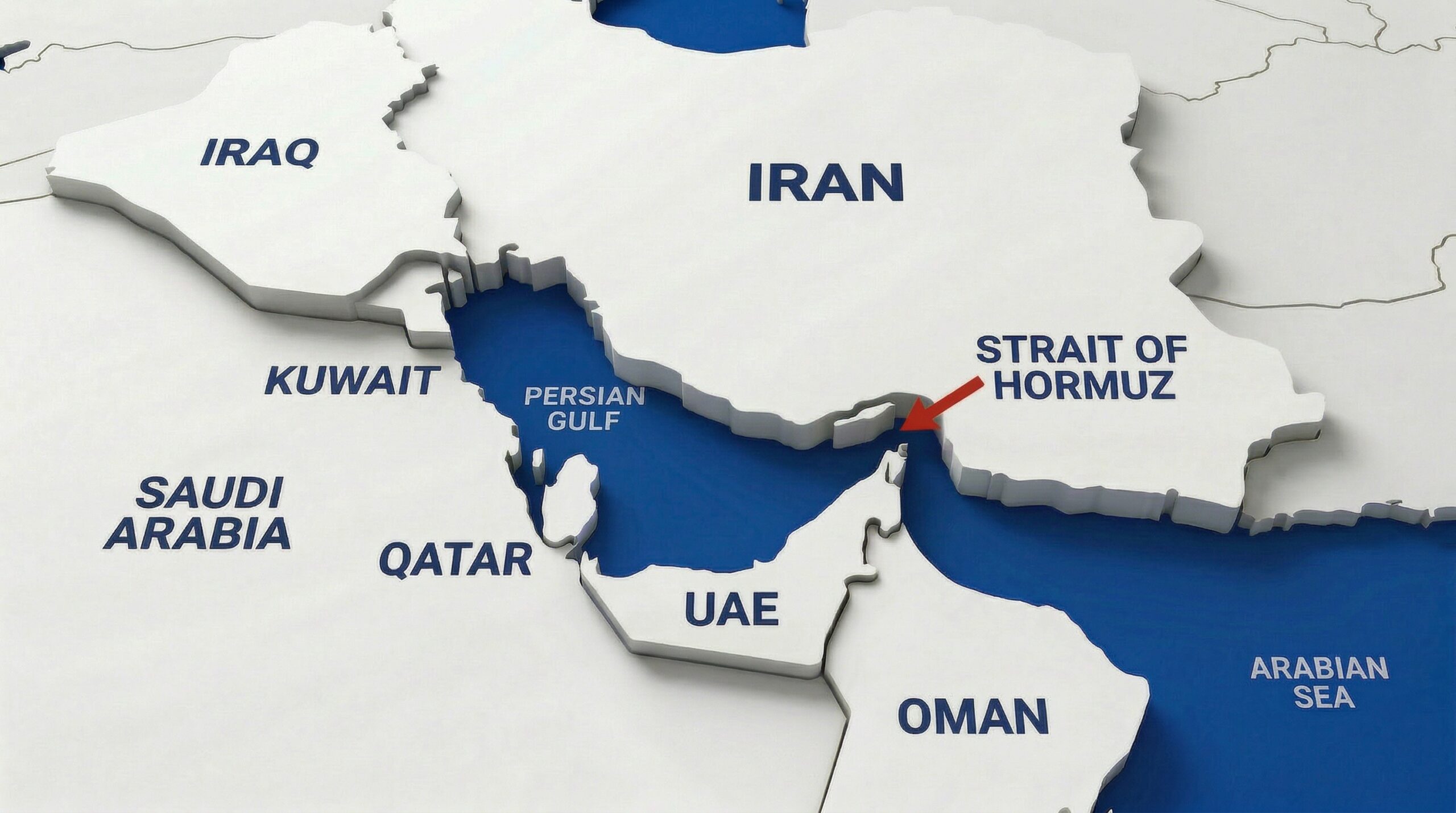
Now we have the Iranian threat over the Strait of Hormuz, which may be more or less founded in reality, after the US Navy’s destruction of the Iranian naval forces, but which nobody is willing to test. It is not an unreasonable reaction to the widespread Iranian drone and missile attacks, and we are sensibly less cavalier with the lives of seafarers than we were a few years ago, during the Iran-Iraq war. The cost and availability of insurance, along with more modern concepts of “neutrality” also act to reinforce the threat to merchant shipping, whatever flag it sails under. One thing which surely has resonated: if the lessons of Ukraine had not properly penetrated, is the considerable destructive power of cheap and simple munitions, requiring substantially more sophisticated and vastly more expensive defences to counter them.
Adequate assets needed for threats to be effective
Whatever (or whoever) blasted a huge hole in the containment system and sank the Russian controlled gas carrier in the Mediterranean earlier this month was probably not using a weapon costing a king’s ransom. With drones employing off-the-shelf components, mass produced and easily stored and transported, the Iranians, no matter how wounded, have shown unexpected resilience to US and Israeli attacks. Rather closer to home, one lesson which surely has been learned is that while threats can be a useful weapon, if there are not the assets available to carry them out, there is little point in uttering them.
If much of your naval capability is inactive, under repair, half-built or immovable for various reasons, the analogy of paper tigers or even chocolate teapots inescapably come to mind. It is not rocket-science to prepare for the unexpected, when it seems to happen so often, but successive governments, with more populist priorities for their finite finances, have failed to grasp this particular nettle. And that comes home with a vengeance in the context of energy self-sufficiency, as the oil and gas prices soar into the firmament, with the UK, we are told, armoured by a whole two days of gas reserves and the nation dependent on others.
With exploration and any new drilling at a standstill, while our Energy Secretary clings to his net-zero obsession, this latest threat surely ought to provide overwhelming evidence for a rethink. It is cheap to be wise after the event, but one wonders about the thought processes, or perhaps the advice given, to those cruise companies whose vessels were stranded in the Gulf when the missiles started to fly around. Their reaction and contingency plans: somehow managing to fly out some 6000 frustrated customers, cannot be faulted, but with Trump’s “Armada” in its final phase of assembly, you wonder why they decided to press ahead with their schedules. Perhaps they just thought that everything he said in the run-up to hostilities was but an idle threat. That, perhaps, is another lesson learned.
(Dreamstime image of the Strait of Hormuz)
*Michael Grey is former editor of Lloyd’s List. This column is published with the kind permission of The Maritime Advocate.