
When the world’s shipyards deliver just a few more container ships, the global fleet capacity will for the first time reach 34 million TEU. predicts Niels Rasmussen, Chief Shipping Analyst at BIMCO.“At that time, the fleet will have grown by 10 million TEU – or 42% – in just five and a half years.”
At the beginning of September, global container fleet capacity was just 8,000 TEU below the 34 million TEU mark. The milestone will therefore be reached after only a few of the 46 ships (totalling 286,000 TEU) scheduled for September delivery enter into service.
The addition of 10 million TEU in just five and a half years is also a record. In comparison, when 10 million TEU were added to increase fleet capacity from 14 million to 24 million TEU it took slightly more than ten and a half years.
“The growth we have seen reflects a combination of record-high new ship deliveries and remarkably low ship recycling activity. Less than 300,000 TEU have been recycled over the last five and a half years. The last time recycling activity was this low during the same time frame was between early 2004 and mid-2009 when the fleet was only one-third of its current size,” says Mr. Rasmussen.
The additional 10 million TEU have changed not only the fleet’s size but also its composition.
Ships larger than 12,000 TEU have contributed two-thirds of the 10 million TEU added since early 2021. As a result, the largest ships’ share of fleet capacity has risen from 30% to 40% while the average container ship size has increased by 14%.
The fleet’s ownership structure has also changed significantly over the past five and a half years. Liner operators account for 85% of the added 10 million TEU and now control 65% of fleet capacity, up from 57% in early 2021.
Due to the low rate of recycling, the share of older ships has increased quite considerably. Nearly 2,000 ships contributing more than 5 million TEU of capacity are now 20 years old or older. Within the next five years these ships will have reached or exceeded the historical average recycling age of 25 years and therefore represent the natural recycling potential for the coming years.
“Depending on recycling activity, the fleet could add another 10 million TEU and reach 44 million TEU within five years. The order book already includes more than 14 million TEU scheduled for delivery by the end of 2030. Even if every ship currently aged 20 years or more is recycled by then, supply growth will remain high, particularly if normal Suez Canal routings resume and release the capacity now absorbed by diversions around the Cape of Good Hope,” affirmed Mr. Rasmussen.
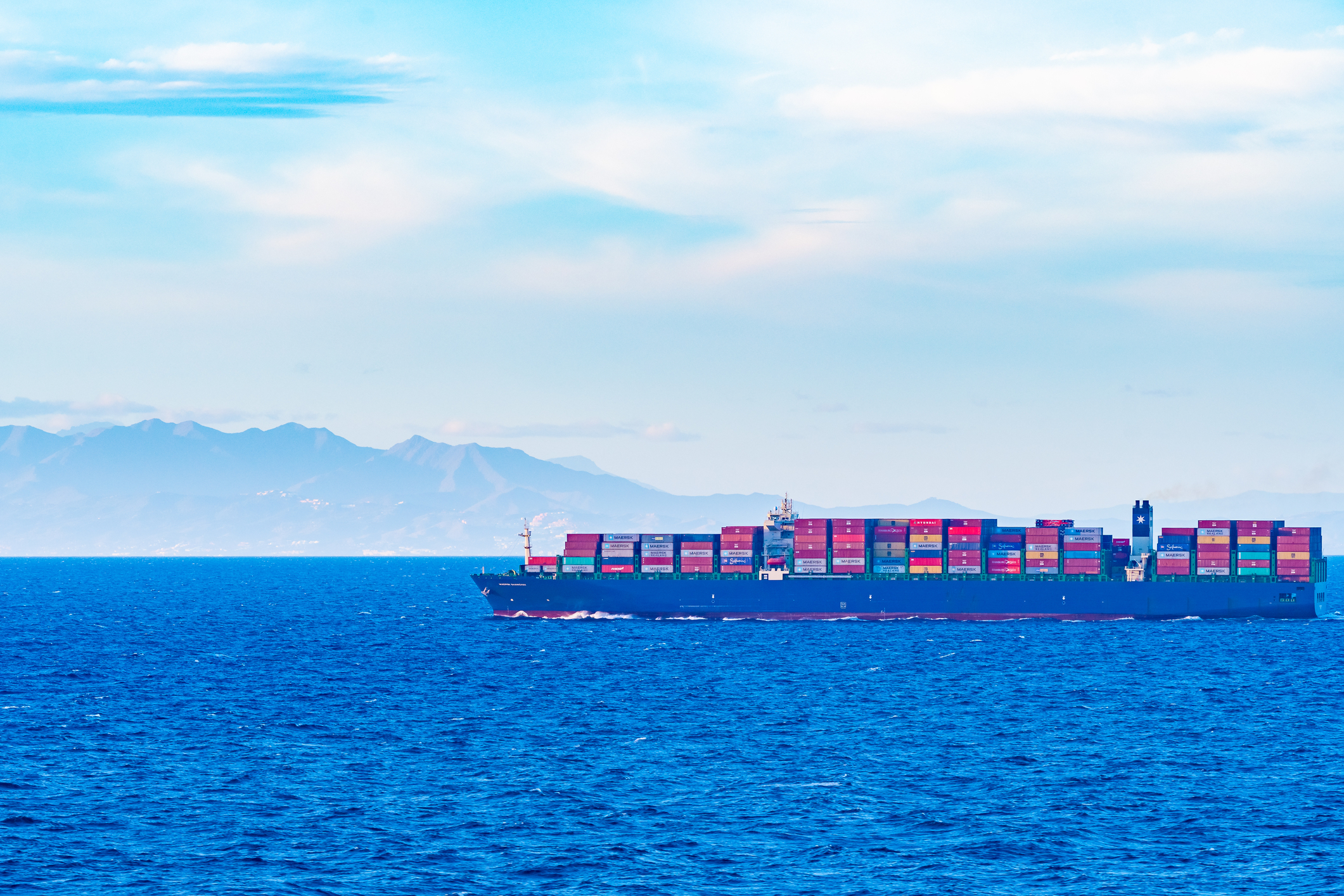
(Dreamstime photo of Maersk ship in Atlantic Ocean)