
The American Great Lakes Ports Association (AGLPA), in partnership with the Great Lakes St. Lawrence Seaway Development Corporation (GLS), Ports of Indiana, the Illinois International Port District (IIPD), and Port Milwaukee, announced the release of The Great Freight Connection, a study identifying opportunities to expand cargo movement between the Great Lakes and the nation’s inland waterways.
Conducted by transportation consulting firm CPCS Transcom Inc., the study examines how increased cargo movement between the two systems could lower transportation costs, provide shippers with additional freight options, improve supply chain resilience and make greater use of existing maritime infrastructure. Preliminary findings were presented to industry leaders at AGLPA’s Annual Summer Conference in Chicago this July.
“President Trump and Secretary Duffy have made strengthening America’s supply chains, revitalizing our maritime industry, and putting American businesses first clear priorities,” said Mike McCoshen, GLS Administrator. “The Great Lakes and inland waterways are vital to moving the agricultural products, raw materials, and manufactured goods that power our economy. By better connecting these systems, we can expand reliable and cost-effective transportation options, strengthen domestic commerce, and create growth opportunities for American industry and workers across America’s Heartland.”
The research evaluates four representative trade routes involving the study’s three participating ports: grain and agricultural products moving south from Milwaukee to the Gulf, steel shipments from Burns Harbor to Peoria, with St. Louis evaluated as an additional destination, liquid bulk moving north from Joliet to Milwaukee, and salt moving north from the Gulf to IIPD.
The study’s analysis identifies potential transportation cost savings across all four routes, along with opportunities to reduce congestion on roads and rail, improve safety, and lower emissions. The findings also highlight the value of alternative shipping routes during supply chain disruptions.
While benefits vary by commodity and route, the study demonstrates how increased cargo movement across the interconnected waterways could improve supply chain flexibility and utilization of existing maritime infrastructure. It also examines practical considerations such as seasonal operations, equipment availability, infrastructure needs, and cargo volumes that could influence the commercial viability of expanded shipping services.
“Northwest Indiana is home to some of the nation’s largest steel producers, and giving them more ways to reach their customers is critical to their success,” said Ryan McCoy, Ports of Indiana-Burns Harbor Port Director. “This study identifies how moving steel by water from Burns Harbor to inland markets like Peoria and St. Louis could lower transportation costs and ease congestion on roads and rail. By strengthening the connection between the Great Lakes and inland waterways, we can open the door to new business and investment across the region.”
Beyond its analysis of the four trade routes, the report outlines recommendations for market development, industry partnerships, policy coordination and strategic infrastructure improvements. These include engaging with shippers and terminal operators, identifying priority commodities and markets, improving access to information about existing port facilities and capabilities, and exploring ways to address infrastructure and operational constraints.
“For Port Milwaukee, this is about building on the connections we already have and finding new ways to serve the businesses that rely on them,” said Benjamin Timm, Port Director at Port Milwaukee. “Our access to both the Great Lakes and inland waterways puts us in a strong position to attract additional cargo and support economic growth across the Upper Midwest.”
AGLPA and its partners will use the findings to continue discussions with shippers, carriers, terminal operators and other stakeholders about expanding cargo movement between the two systems.
“We know there are opportunities to move more cargo between the Great Lakes and inland waterways, and this study helps us see where the economics make sense,” said Erik Varela, Executive Director of the Illinois International Port District and AGLPA Vice President. “It identifies where we can offer shippers a cost-effective alternative to their existing routes and where having another transportation option could make a real difference.
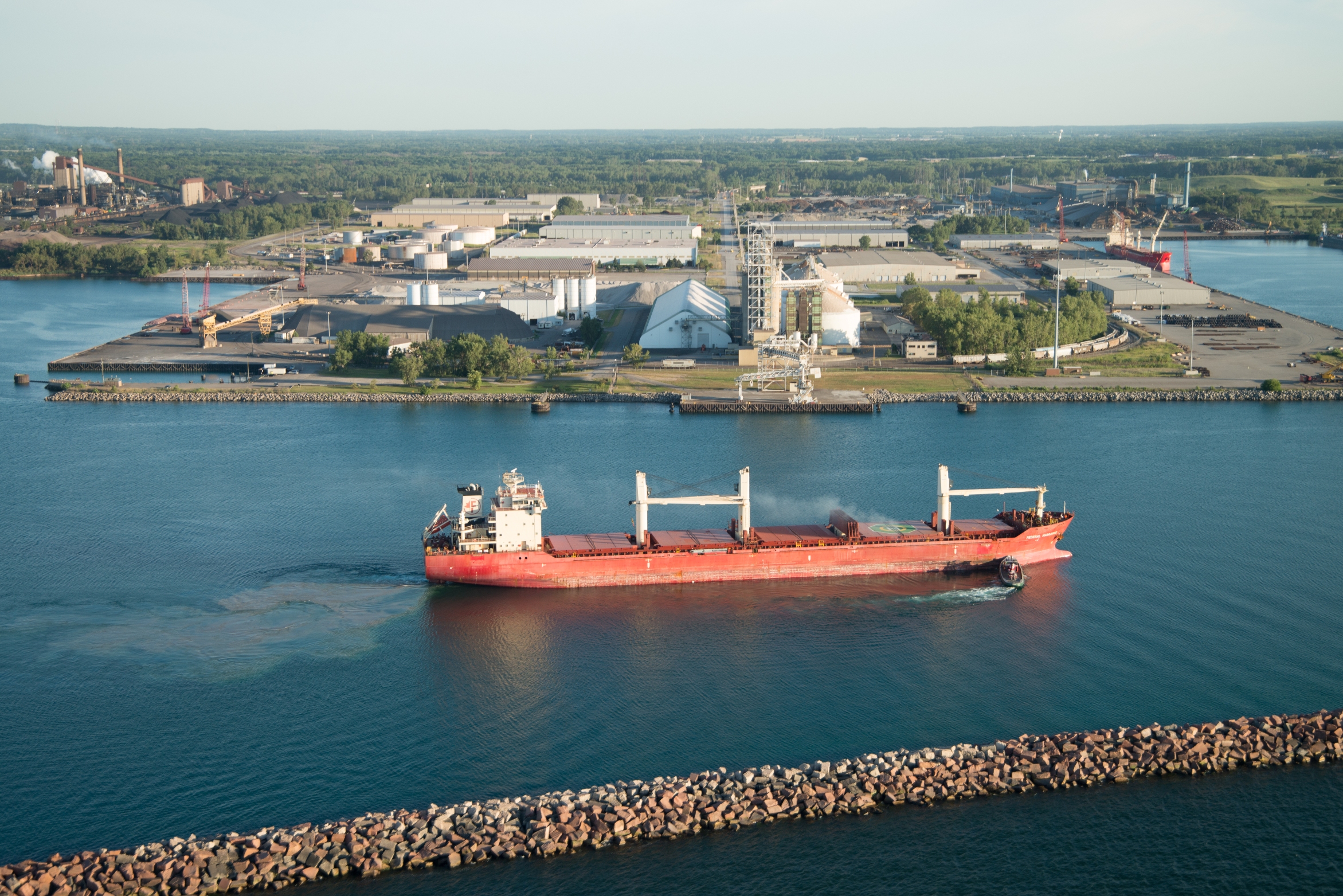
(Photo of Burns Harbor by Brad Cavanagh)