
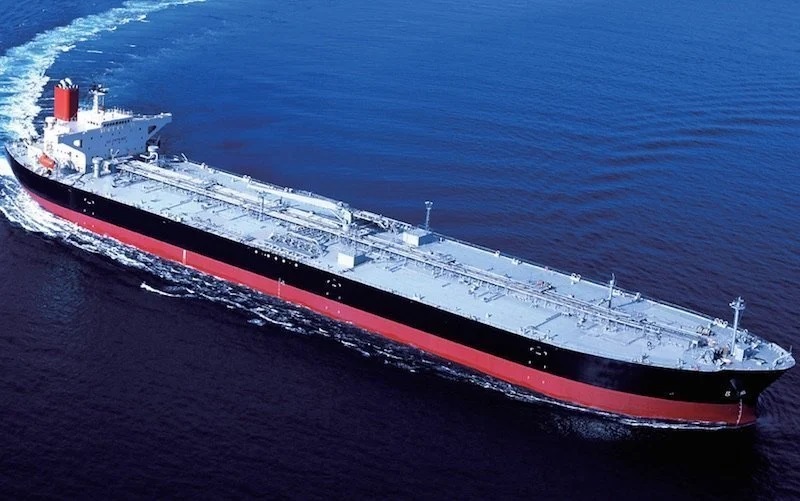
The global crude tanker sector is experiencing its biggest shipbuilding boom in nearly a decade. The order book-to-fleet ratio has soared to 14.1 percent, its highest level since 2016, according to the latest BIMCO latest analysis
“Due to low contracting volumes in 2022, the crude tanker order book/fleet ratio bottomed out at 2.8% in March 2023. It has climbed steadily since and has now hit a nine-year high of 14.1%. The order book may kickstart the renewal of a fleet that has grown older on average since 2018,” stated Niels Rasmussen, Chief Shipping Analyst at BIMCO.
However, the expansion comes amid reportedly low growth in future oil demand. The International Energy Agency’s recent World Energy Outlook estimated that average annual growth in global oil demand between 2024 and 2035 will reach a maximum of 0.7 percent per year.
“The order book’s size may appear too large compared to the expected global oil demand growth in the future,” Mr. Rasmussen noted.
Since 2023, 325 crude tankers with a deadweight capacity of 68.7m tonnes have been contracted, bringing the current order book to 309 ships totalling 65.8m deadweight tonnes (DWT).
China, South Korea and Japan continue to dominate the crude tanker sector. Chinese shipyards hold 60% of the crude tanker capacity on order whereas South Korea and Japan hold 31% and 8% respectively.
“Despite the relatively large order book and potentially weak demand growth, it appears likely that the market can achieve a balanced supply/demand if older ships are recycled,” Mr. Rasmussen said.
(Photo of tanker from ICS)