
The Drewry World Container Index (WCI), the benchmark widely referenced by procurement teams, surged 23% to $3,433 per 40ft container due to rate increases on the Transpacific and Asia–Europe trade routes. Drewry has received confirmation from multiple sources that this year’s peak season began earlier than usual, which is supporting stronger demand and higher freight prices.
On the Transpacific trade route, spot rates climbed again this week, with Shanghai to Los Angeles rising 31% to $4,565 per 40ft container and Shanghai to New York increasing 20% to $5,505 per 40ft container. According to Drewry’s Container Capacity Insight, only three blank sailings have been announced on the Transpacific trade route for the next week, significantly fewer than in recent weeks, as carriers anticipate stronger cargo volumes.
Demand is being supported by shippers bringing forward bookings ahead of potential US tariff changes expected in July and additional cargo demand linked to the 2026 FIFA World Cup. Carriers successfully implemented PSS on Transpacific eastbound trade route starting this month. With peak season now underway and seasonal demand strengthening through June, Drewry expects further upwards pressure on rates in the coming weeks.
On the Asia–Europe trade route, spot rates increased this week, amid early peak season demand. Freight rates from Shanghai to Rotterdam rose 25% to $3,579 per 40ft container and those from Shanghai to Genoa increased 20% to $5,089 per 40ft container. Demand is being pulled forward into June ahead of the expected 1 July bunker fuel adjustment, supporting stronger shipment flows. Carriers have successfully implemented higher FAKs and PSS on the Asia–Europe trade route starting this month.
As the early peak season had begun, Hapag-Lloyd and Maersk have announced further PSS on the Asia–Europe trade route, effective 8 June and 10 June, ranging from $300–$500 per 20ft container and $600–$1,000 per 40ft container. Drewry expects rates to rise further in the coming weeks.
East–West container freight markets are strengthening as the peak season arrives earlier than usual this year. Continued Red Sea diversions are extending transit times and encouraging importers to place orders earlier to ensure cargo arrives ahead of the traditional peak season. Retailers are also replenishing inventories earlier than normal in preparation for major sales events, including Amazon Prime Day and TikTok’s mid-year promotions in June and July.
At the same time, geopolitical tensions in the Middle East continue to influence market sentiment, with higher bunker fuel costs and fuel surcharges exerting additional upwards pressure on freight rates. These developments are also contributing to rising raw material costs, as reflected by China’s PMI Prices of Purchased Materials Index, which has remained elevated since the conflict began and currently stands at 60.5 points.
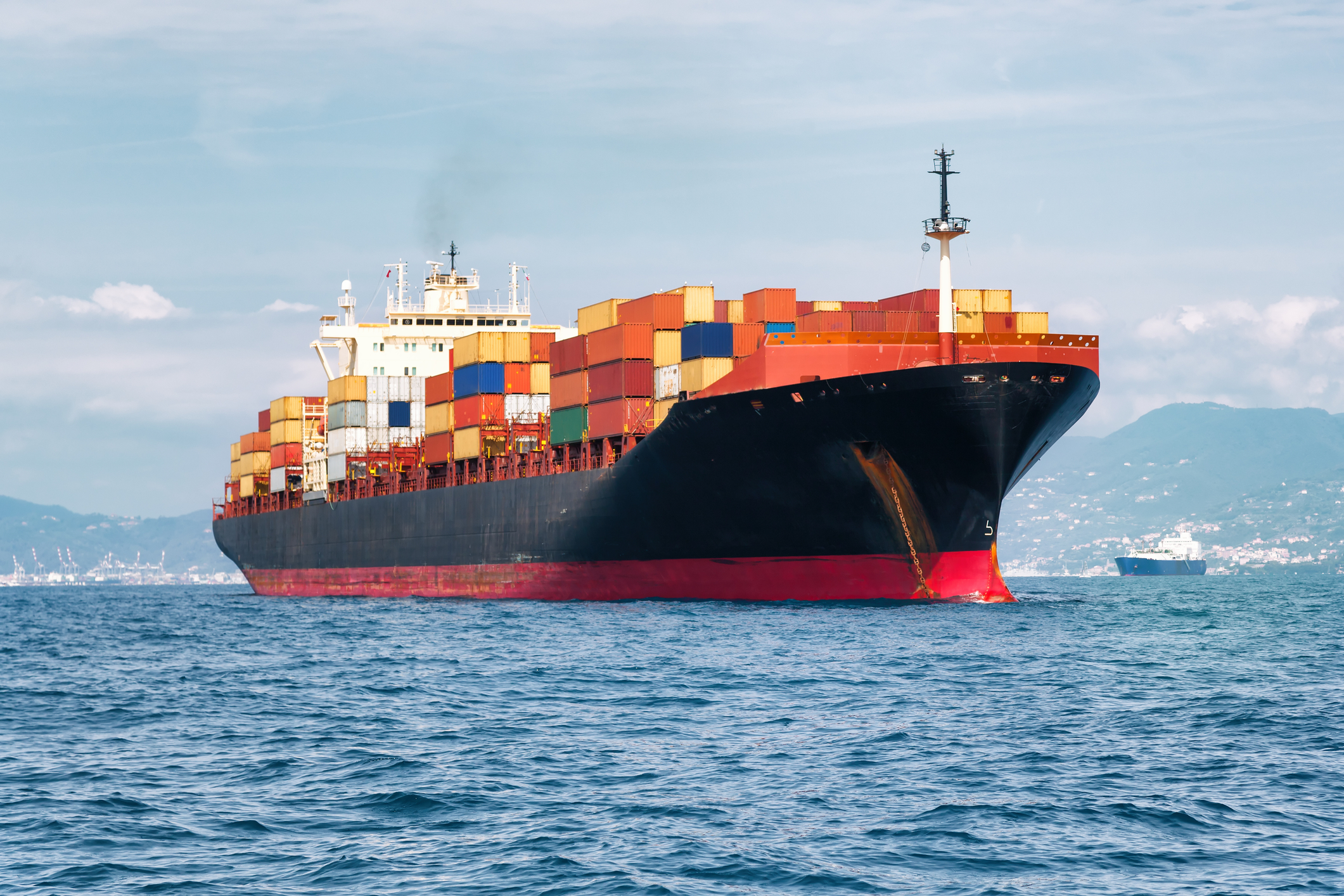
(Dreamstime containership photo)