
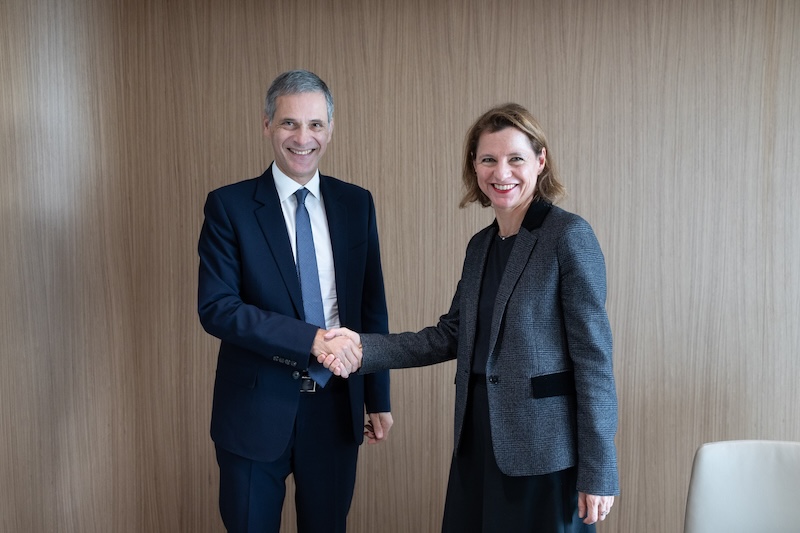
The CMA CGM Group, a global player in sea, land, air and logistics solutions, and ENGIE Group, a major player in the energy transition, are joining forces to develop a major biomethane production facility at the heart of the Le Havre industrial-port zone. This major logistics hub in Europe, is a strategic location for the development of new low-carbon energy solutions, particularly renewable gases, serving the maritime and industrial sectors.
ENGIE will lead the development of the project, including its technical design and permitting process. Subject to a final investment decision, the Group will then oversee the construction and operation of the facility.
Through this investment, CMA CGM is directly supporting the development of renewable fuel production to secure the energy supply needed to decarbonize its fleet. The project builds on the partnership launched by the two groups in 2021 to accelerate the energy transition.
Starting in 2029/2030, the facility will convert livestock waste, household biowaste and agricultural residues into biomethane, which will be supplied to the CMA CGM fleet through the European gas grid under a certified mass-balance system.
The process will also produce 100,000 tons of digestate, a nutrient-rich organic matter that can be used as natural fertilizer by local farmers, while 13,000 tons of biogenic CO₂ will be recovered for commercialisation, further improving the project’s emissions-reduction performance.
As a minority shareholder alongside ENGIE, CMA CGM will invest in the project through PULSE, its energy fund dedicated to innovative technologies and infrastructure that support the decarbonization of the Group’s transport and logistics activities.
A major step forward in CMA CGM’s decarbonization strategy
CMA CGM is committed to reaching Net Zero Carbon across all its activities by 2050. Its decarbonization strategy is built on two priorities:
- Reduce energy consumption through operational excellence and asset optimization.
- Increase the share of low-carbon energy by deploying the right assets and developing sustainable fuel supply chains.
By 2030, more than 200 dual-fuel vessels capable of running on biomethane, biomethanol and e-fuels will have joined the CMA CGM fleet. Biomethane can reduce greenhouse gas emissions by at least 67% over its full life cycle compared with conventional marine fuels. It can also be used today by the Group’s LNG-powered vessels through existing LNG bunkering infrastructure.
Securing access to renewable fuels is essential to shipping’s energy transition. Through partnerships with industrial and energy leaders such as ENGIE, CMA CGM is helping to establish resilient, sustainable supply chains for low-carbon energy.
This project fully contributes to ENGIE’s ambition for biomethane. The Group aims to reach 10 TWh of annual biomethane production capacity in Europe by 2035, up from 1.2 TWh today. This project will directly support the achievement of this target and help scale up the development of renewable gases.
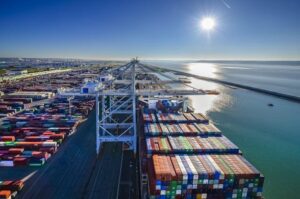
(Photo of Le Havre port from HAROPA and photo from CMA CGM shows Rodolphe Saadé, Chairman and CEO of the CMA CGM Group, Catherine MacGregor, Chief Executive Officer of ENGIE)