
As Canada sets its sights on doubling exports beyond the United States, a logistical reality cannot be ignored: to compete on the world stage, we cannot limit ourselves to rethinking our land-based infrastructure. Canada’s commercial merchant fleet must be recognized and supported for what it is: a critical and indispensable piece of transportation infrastructure. Canada must be able to count on a high-performing, modern national fleet, supported by a favourable regulatory framework, to grow its share of global trade and secure its supply chains from end to end.
Pragmatic solutions exist to repatriate and grow our international trade volumes. The recent decision by the Canada Border Services Agency (CBSA) to authorize container clearance in Quebec City and Hamilton is a good example. This enhanced clearance capacity paves the way for a robust regional short-sea shipping network. Moving goods closer to their final destination by water helps decongest our road and rail networks, reduces wear on our highways, and optimizes our supply chain.
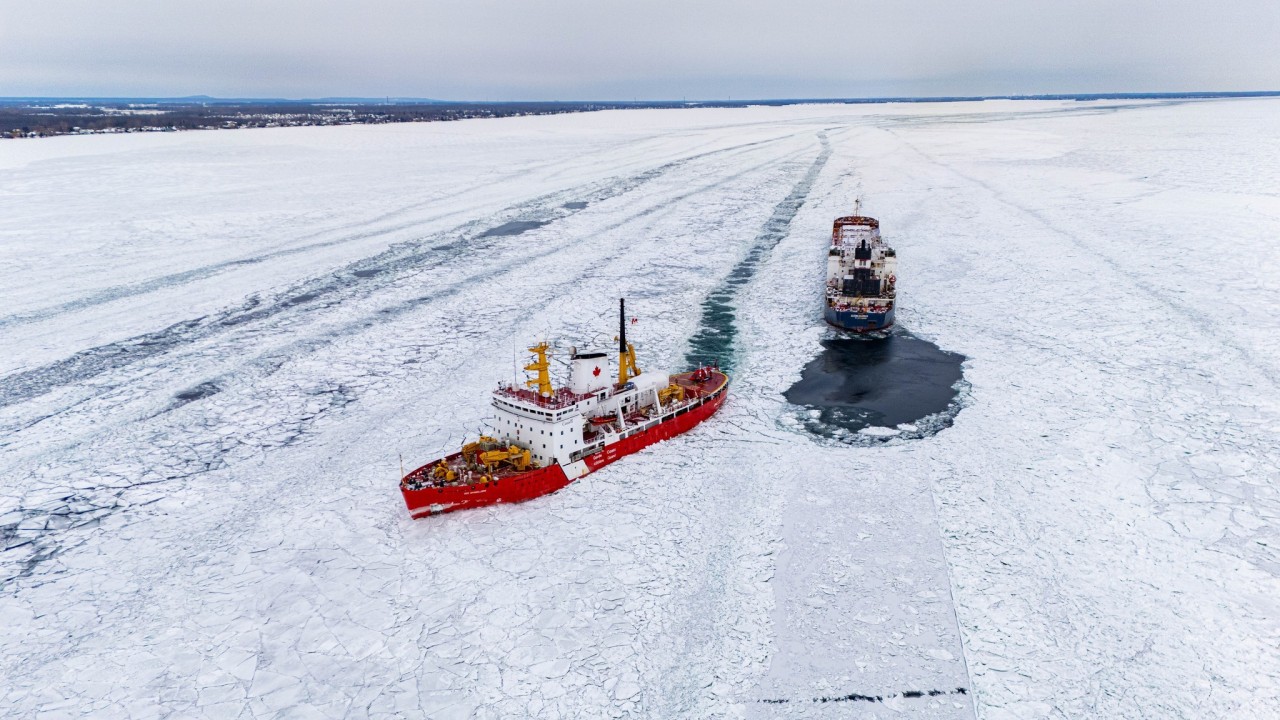
In the face of geopolitical upheaval, the development of the North and the strengthening of our defence capabilities demand the immediate mobilization of Canada’s maritime assets. The government must urgently integrate the Canadian maritime sector into its infrastructure and territorial development priorities. This means funding northern corridors, supporting the extension of navigation seasons, and expanding our icebreaking capacity with a modern, versatile fleet of icebreakers operating on both the Great Lakes and in the country’s North. Asserting our presence in Arctic waters is no longer merely a commercial issue — it is the spearhead of our national security.
Overhaul of regulatory processes
To enable this growth, the Canadian government must act as an enabling partner. This begins with an overhaul of regulatory processes — a process that must place economic growth at its centre. The Canadian maritime industry needs predictability, upstream consultation, and efficiency in order to innovate. At the same time, the long-term sustainability of our maritime workforce will require federal-provincial collaboration to modernize the training of tomorrow’s mariners, ensure adequate funding for training institutions, and leverage targeted immigration to address the anticipated shortage of qualified seafarers.
At the very moment Ottawa is consulting economic stakeholders through the initiative “Strengthening the Unity of the Canadian Economy Through Trade and Transportation,” one essential dimension risks falling off the political radar: the domestic fleet itself. This Canadian fleet, which provides cabotage between our ports, is not simply one mode of transport among others. It is a strategic and indispensable asset without which there is no supply security, no logistical sovereignty, and no true unity of the Canadian economy.
Canada is a maritime nation. Whether the issue is securing the Arctic or maximizing the potential of the St. Lawrence–Great Lakes corridor, our prosperity depends on a strong and thriving industry. It is time to work together to ensure that the country has the means to realize its diversification ambitions.
(Photo from Canadian Coast Guard)