
Global maritime trade is expected to stagnate in 2026 amid disruptions to major shipping routes and chokepoints, as well as wider trade uncertainty, according to the of Maritime Transport 2029. released by IJN Trade and Development (UNCTAD).
Disruptions across major shipping routes and chokepoints have forced vessels onto longer journeys, extending transit times, increasing fuel costs, driving port congestion and adding to uncertainty. Alternative ports, inland transport networks and logistics arrangements have helped keep trade moving, but at a higher cost.
Seaborne trade reached 12.3 billion tons in 2025, up 1.9%, compared with 3.9% in 2024. UNCTAD projects zero growth in 2026, followed by a projected recovery of 3.2% in 2027.
Containerized trade is expected to grow by 3.3% in 2026, outperforming overall maritime trade but slowing compared with 2025. Although growth in maritime trade volumes is projected to remain flat in 2026, maritime transport demand measured in ton-miles is expected to increase by 1.5%, reflecting longer voyages. The report calls for a shift from crisis response to embedded preparedness and adaptability, with “resilience by design and sustainability by default” guiding investment, planning, and operations.
“Resilience by design and sustainability by default set the standard: maritime transport that keeps essential goods moving to every port, from the busiest hub to the most remote island,” says UNCTAD Acting Secretary-General Pedro Manuel Moreno.
Major shipping routes and chokepoints under strain
Conflict in the Middle East since late February 2026 has severely curtailed traffic through the Strait of Hormuz, a gateway for around one fifth of global oil supplies and for other strategic commodities, including fertilizers.
Before the disruption, around 120 ships crossed the strait daily. By early March, traffic measured by gross tonnage had fallen by roughly 95%. More than 20,000 seafarers were initially stranded in the Persian Gulf, with thousands remaining there for months.
Instability in the Red Sea has kept many vessels on the longer route around the Cape of Good Hope, despite some liner operators returning to the corridor. Black Sea grain shipments remain exposed to security risks, while restrictions and changing traffic patterns have affected Panama Canal operations. Together, these disruptions affect trade in oil and gas, grain and food products, fertilizers and industrial inputs such as petrochemicals and aluminium. Their impact extends beyond shipping, affecting production costs and the availability of essential imports, particularly in countries dependent on imported food and energy. Higher costs hit vulnerable economies hardest Freight rates remained volatile through 2025 and 2026. Container spot rates more than doubled between January and August 2026, while crude oil tanker rates reached record highs on some routes.
The cargo-carrying capacity of the global shipping fleet expanded by 3.5% in 2025, outpacing maritime trade growth, yet 42% of vessels are more than 20 years old. Fleet renewal and efficient ships can help cut emissions and exposure to volatile fossil fuel prices. But uncertainty over future fuels and regulations risks delaying investment. Resilience by design means integrating resilience criteria at early stages of planning and decision- making. Sustainability by default means the integration of sustainability principles (economic, social, and environmental) becomes the norm.
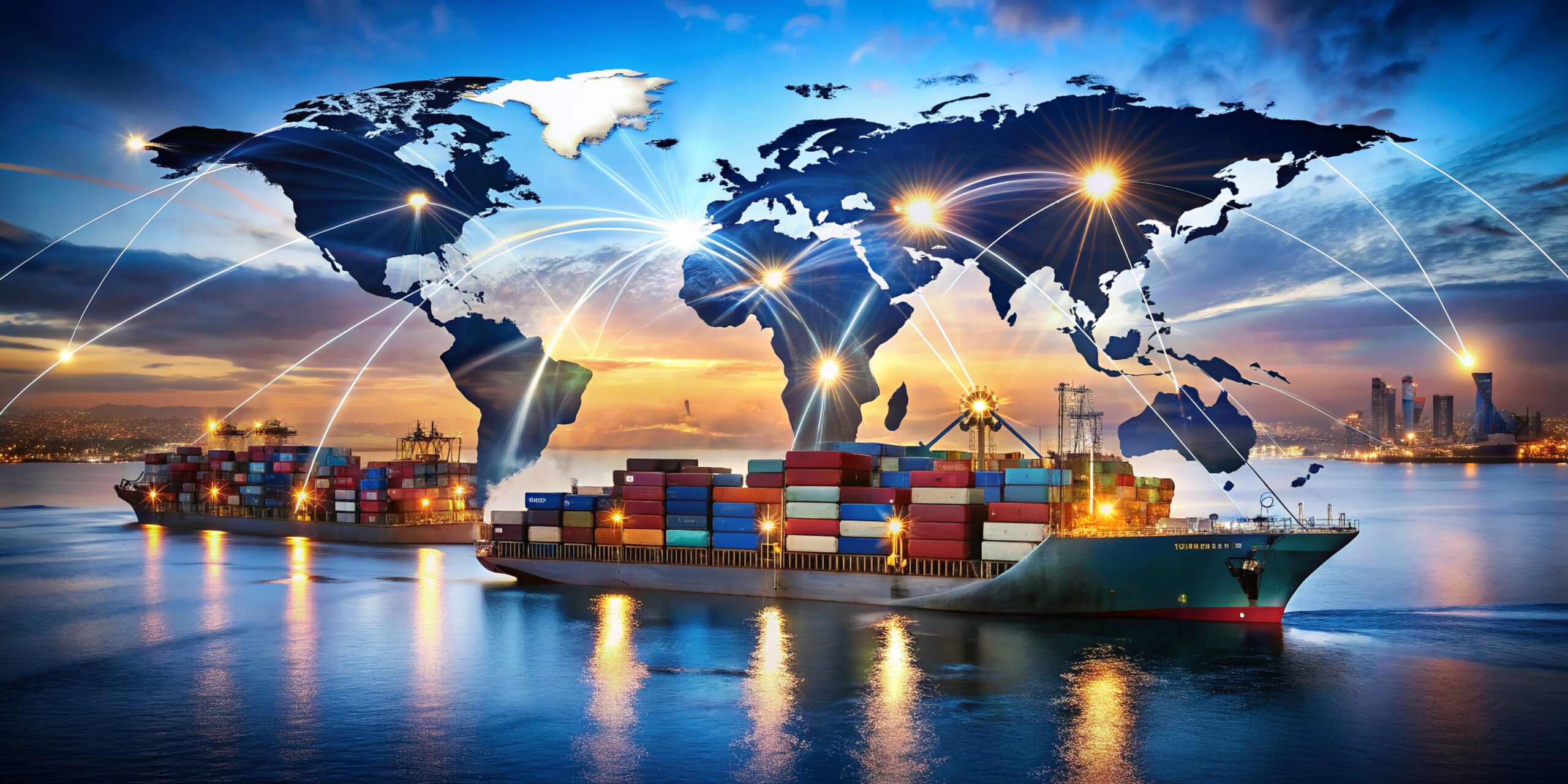
(Dreamstime image on world shipping)