

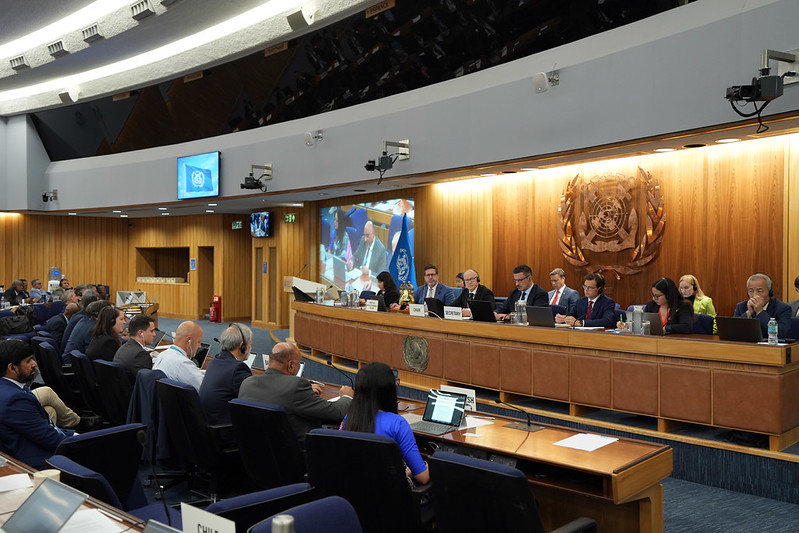
States again failed to agree on a deal following pressure from a small minority of fossil-fuel producing nations and division among progressive states, reported the Brussels-based Transport and Environment (T&E) activist group.
Negotiations at the IMO, which wrapped up in London today, have drawn a blank for the third meeting in a row, as US and Saudi-led efforts to scupper progress were successful. With delegates from vulnerable countries highlighting the tragic cost of this year’s climate disasters, action is far too slow, warns T&E.
While pragmatic negotiators, including the EU, signalled openness to compromise measures such as avoiding a centralised fund and weakening greenhouse gas targets, US and Saudi negotiators largely held their ground. T&E urged negotiators not to cave to the Trump administration’s crusade to sacrifice ambitious targets in favor of fossil gas and crop biofuels – a lose-lose deal for the climate and for future-proofing the industry.
The continued failure to find an ambitious common ground not only puts shipping off course to decarbonise, but locks fossil fuel importing states and the shipping industry into continued dependency. During the Hormuz crisis, dependence on oil cost the industry roughly €340 million a day, according to T&E estimates.
The next major IMO meeting takes place from November 30th to December 3rd. There, governments must adopt a global deal capable of decarbonising shipping by 2050, rather than giving up on the climate or delaying action again. T&E urged delegations to intensify diplomatic efforts to overcome the obstruction of the US and its allies.
At the same time, ambitious governments must not let the ongoing delays at the IMO put the brakes on shipping’s need to decarbonise. Taking action at regional and national level on international shipping is becoming increasingly urgent in light of the IMO’s failure to move forward.
Alex Springer, interim shipping director at T&E, said: “After a summer of heatwaves, droughts and record sea temperatures, the failure of states to get close to a credible deal is deeply disappointing. It leaves global shipping increasingly adrift of where it needs to be. Governments should push forward with ambitious regional measures and must not wait for a global agreement before taking action.”
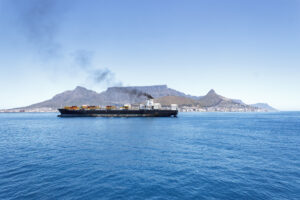
(Photo from IMO on meeting, and photo from Dreamstime of ship funnel image)