

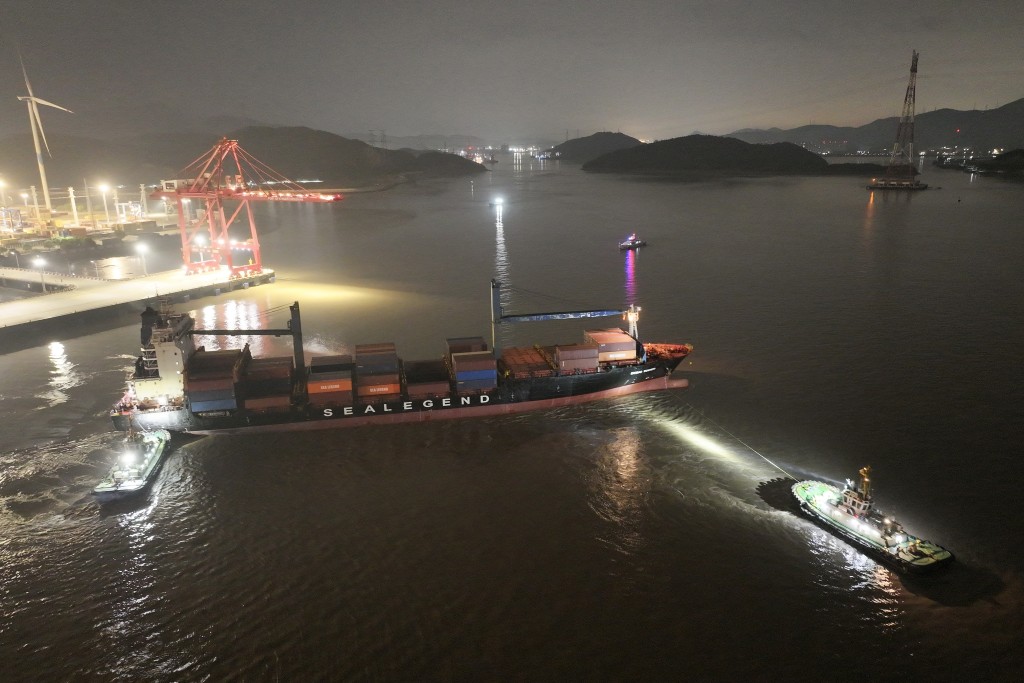
The Clean Arctic Alliance has expressed serious concern over reports that the container vessel Dubai Tower, operated by Chinese company Sea Legend, has departed from the port of Ningbo in an attempt to cross the Northern Sea Route and over new that South Korea’s PanStar has purchased a ship for imminent Arctic transit.
The Dubai Tower is expected in the port of Felixstowe in the United Kingdom on September 7, followed by stops in Hamburg, Germany and Gdynia, Poland.
Dr Sian Prior, Lead Advisor to the Clean Arctic Alliance said: “The Clean Arctic Alliance is seriously concerned about the interest in the Northern Sea Route as a regular trade route and the consequences for the Arctic, Indigenous communities and wildlife. Increased commercial shipping activity will lead to increased climate impacts, increased pollution and increased loss of biodiversity.
“Emissions of black carbon – a potent short-lived climate forcer which results from burning fossil maritime fuels – will result in further climate heating and speed up the melting and loss of both sea ice and land-ice when it settles out of the atmosphere.”
“When black carbon falls on sea ice, it hastens the melting of the sea ice which is a crucial part of the natural climate cycle. Arctic sea ice acts as the planet’s refrigerator, controlling the planet’s temperature. Arctic sea ice extent is currently at the eight lowest on record, with still a month to go before the Autumn equinox.
“Using LNG to power shipping is not a suitable alternative fuel due to emissions of methane associated with its whole life-cycle. Methane is also a very potent short-lived climate forcer which is driving global heating. Other sources of ship pollution such as oil and wastewater discharges and increased underwater noise will undermine overall Arctic ocean health and also impact Arctic Indigenous communities who depend on Arctic resources for food.”
Dr. Prior concluded: “It is imperative that any shipping seeking to use the Arctic as a route from Asia to Europe or vice versa, strictly follows the international regulations and guidance agreed by the International Maritime Organization, including calls for ships to use cleaner distillate fuels or alternative fuels with lower black carbon emissions while in the Arctic, and to measure and report their black carbon emissions.”
(Photo from Ningbo Zhoushan Port Group)