

By Michael Grey*
There is not a great deal to cheer about as we stumble, haltingly, into the uncertainty of 2026. True, the major carriers are cautiously resurrecting their Suez transits, although there are precious few guarantees that what faction currently runs Houthi High Command will not decide to indulge in some target practice, to test their latest shipment of Iranian missiles.
Meanwhile, the other High Commands in the respective lines are trying to compute what the sudden shrinkage in East-West miles steamed will do to the freight rates, in the short to medium term. The Asian shipbuilders continue to churn out slots by the tens of thousands, as if demand will continue unabated. One cannot blame them. When some owner comes along wanting half a dozen 24,000teu monsters, you surely do not ask him whether he really needs them, but joyfully offer a few further options and ask only about the preferred paint scheme.
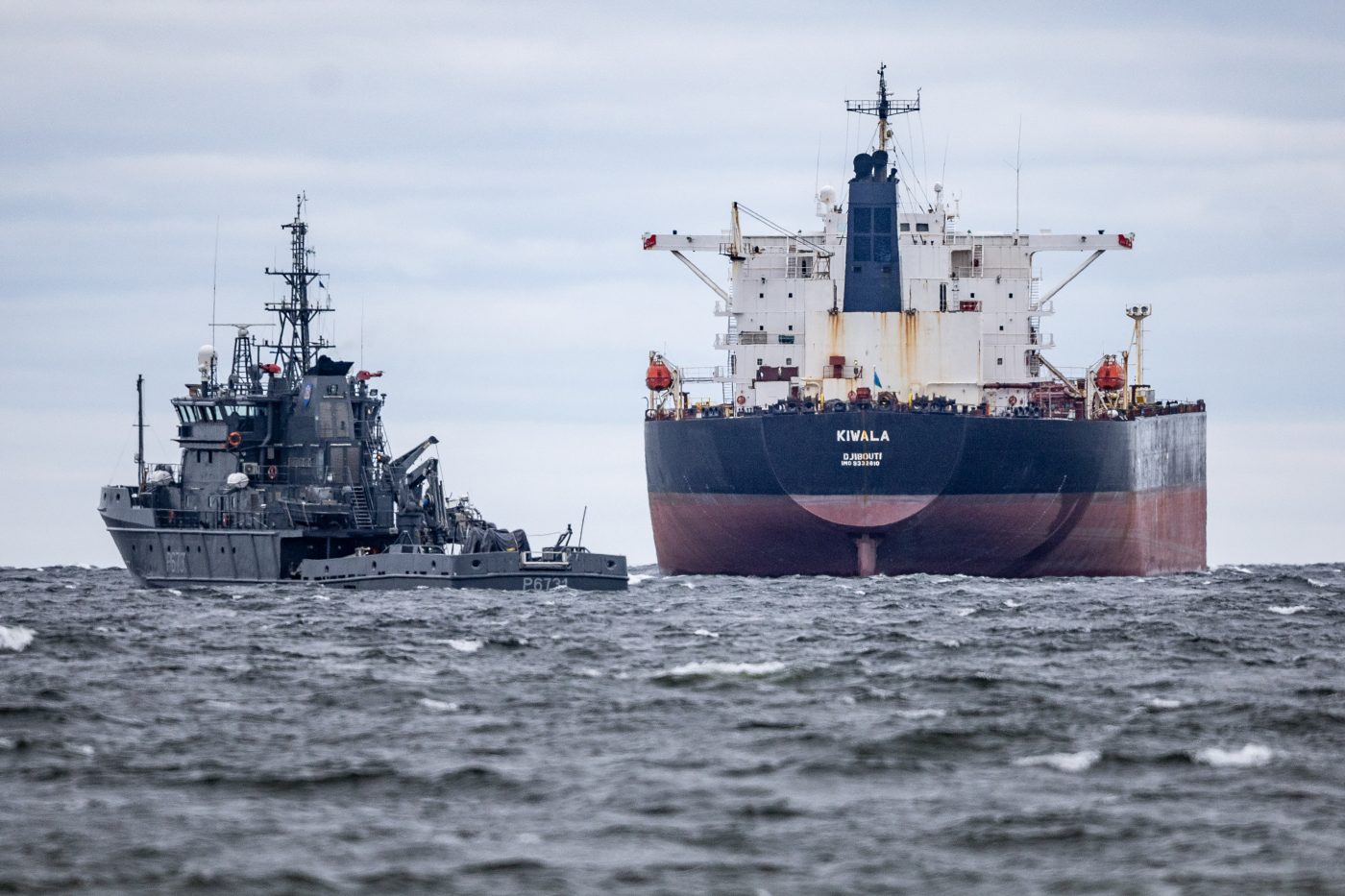
Somebody was suggesting that the next few months will see “peak Trump,” as the shock of what will emerge next from the US president’s fertile imagination has rather subsided. Seizures of large tankers along with their cargo, the imposition of tariffs, visa restrictions to people who have engaged POTUS’ wrath, and even unexpected barrages of missiles into other countries, have rather lost the power to shock. We no longer ask “what on earth will he do next?” quite so often. That itself, you might suggest, could carry its own dangers. Domination of the headlines is said to be compulsive for such personalities. But one has to be apprehensive about the growing lawlessness at sea, with the activities of the dark fleet, despite all the attempts to constrain its activities through legal sanctions.
Ships changing identities like “cloning” stolen vehicles
The ships change their identities at the drop of a hat, facilitated by flag states, which think all their birthdays have come at once, and home ports that cannot be tracked down by experienced geographers. Now, we understand, the operators of these Kremlin-controlled vessels do not even bother with these niceties. With the skill of accomplished car criminals, adept at switching number plates and “cloning” stolen vehicles, our dark fleet drivers now clone the identity of scrapped vessels, manipulate their electronic signatures and position, almost at will.
Bear in mind that these are mostly large ships, long in the tooth, carrying a great deal of oil and of questionable maintenance standards, there is every reason to be quite frightened about the potential for awful incidents, with the doubtful insurance cover and technical oversight, of which we can know little. And perhaps worst of all is the way that all the international mechanisms which have been carefully constructed by IMO, other international, legal, and technical institutions, over the last half century, to raise standards and protect the environment, have been put into reverse. And what we hear very little of is the situation of those manning the units of sanctioned vessels which have been constituted as the dark fleet. Who are they and who is responsible for them? When they join a ship, do they even know that the vessel is sanctioned.
As the “poor bloody infantry” who certainly do not get answers to any questions they might ask, you can guarantee that their curiosity will be discouraged. They will mostly be just anonymous seafarers, hired in the disgracefully casual fashion that still survives in the frontiers of our industry and grateful to have work. There have been credible reports of Russian military detachments having been identified by those monitoring dark fleet movements in the Baltic and elsewhere.
A report in Baird Maritime revealed a story of non-Russian seafarers being forcibly replaced by Russians aboard a sanctioned gas carrier. But one suspects that aboard most of these ships, even their senior officers have little knowledge of who controls their ships and owns the cargo in the tanks. Those of a certain age will have memories of the “tanker war” in the Arabian Gulf of the 80s, when the heroic aviators of both Iran and Iraq were dropping bombs onto any ships they saw in their sights.
There were tales of crews aboard some of these ships (whose owners were making a packet) being told that they were bound for somewhere far from the hostilities, their first intimation that something was wrong being an Exocet through the messroom bulkhead. Today, it could be the alarming sight of Pete Hegseth’s “shoot first and ask questions afterwards” teams rappelling onto the foredeck. But that’s life afloat. Remember the words of the old hymn; “From rock and tempest, fire and foe, protect them where so ere they go.” A Happy New Year.
(Photo from cepa.org)
*Michael Grey is former editor of Lloyd’s List. This column is published with the kind permission of The Maritime Advocate.