
WASHINGTON — The Arctic Report Card, the annual peer-reviewed assessment of the state of the warming Arctic, will continue under its independent editorial team — led by researchers at the Cooperative Institute for Research in Environmental Sciences at the University of Colorado Boulder and the University of Alaska Fairbanks — with new support from the American Geophysical Union.
The partnership ensures the report’s continuity following the loss of core support from the National Oceanic and Atmospheric Administration (NOAA).
(Without explaining why, the federal agency announced on August 12 it was withdrawing its support for the Arctic Report Card, which has provided environmental updates on the region to scientists and the public since 2006.)
The editorial team, made up of three long-serving Arctic scientists, will continue to lead the Arctic Report Card’s scientific direction and content, with AGU providing critical infrastructure, distribution and convening support. The partners expect the details of this collaboration to evolve as a longer-term governance model is developed over the coming months.
The report card’s editorial team is also drawing on support from climate.us, which emerged last year as climate.gov — a long-time partner to the Arctic Report Card — was effectively closed, and from the Arctic Monitoring and Assessment Programme, which will coordinate the report’s independent scientific review as it has in past years.
“This new AGU partnership ensures the 2026 Arctic Report Card will have its timely release and the same scientifically rigorous product that people around the world have come to expect,” AGU President Brandon Jones said.
“The fast-warming Arctic region is seeing shipping channels open where none existed before, with far-reaching economic, environmental, strategic, and security implications for nations around the world,” said Twila Moon, one of the three Arctic Report Card editors and deputy lead scientist at the National Snow and Ice Data Center, part of CIRES at the University of Colorado Boulder. “As global interests in the Arctic continue to deepen, it is more important than ever to have a definitive yearly assessment on the changing Arctic climate.”
While this partnership marks a major step forward, the Arctic Report Card’s editors and authors continue efforts to raise the additional support needed to sustain the report long-term.
“Beyond the importance of sharing this key science, the fact that we can pull together and ensure the Arctic Report Card goes forward is a sign that science won’t be stopped or silenced. When we come together, we have a powerful platform for robust observational evidence to inform global decisions — we are counting on that same spirit of support to help us close the remaining funding gap and secure the report card’s future,” said Arctic Report Card editor Matthew Druckenmiller, a senior scientist at NSIDC/CIRES.
The report is planned for release at AGU’s Annual Meeting in San Francisco with a press conference scheduled during the week of 7 December. In addition, the full 2026 report will be hosted permanently online at ArcticReportCard.org, through the support of AGU. As the annual meeting draws closer, AGU will provide further details on the press conference and report release.
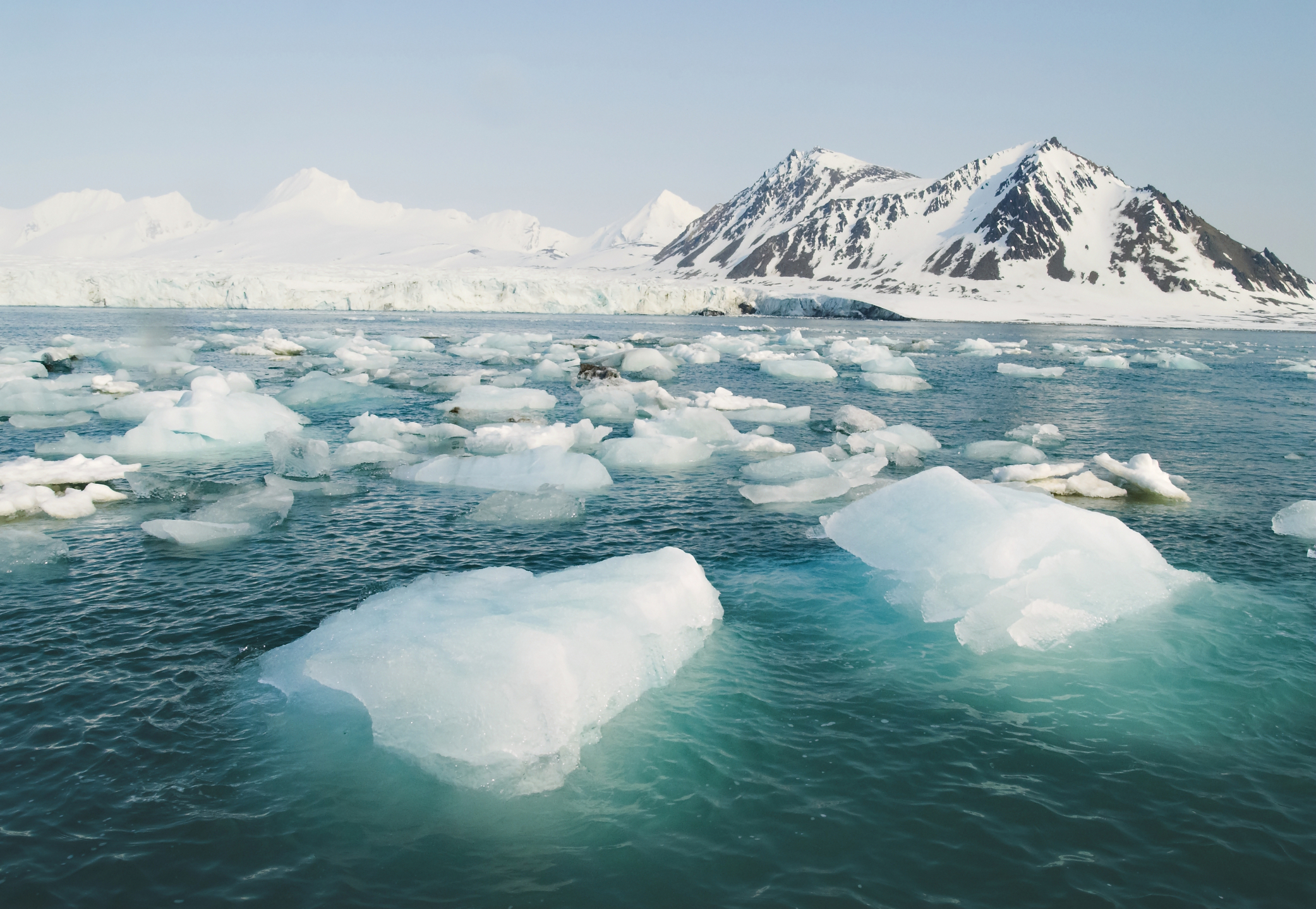
(Arctic photo by Dreamstime)